About Us
Myosin Therapeutics is developing first-in-class small molecules that target molecular nanomotors to reprogram tumor mechanics and enhance therapeutic response, transforming how aggressive cancers and neurological disorders are treated.
Myosin Therapeutics is a clinical stage, privately held biopharmaceutical company based in Jupiter, Florida. At Myosin we are leveraging decades of research on molecular nanomotors, naturally occurring proteins that control the physical mechanics of cells, to bring new therapeutic strategies to the clinic.
Our Science
Targeting the Cell's Engines
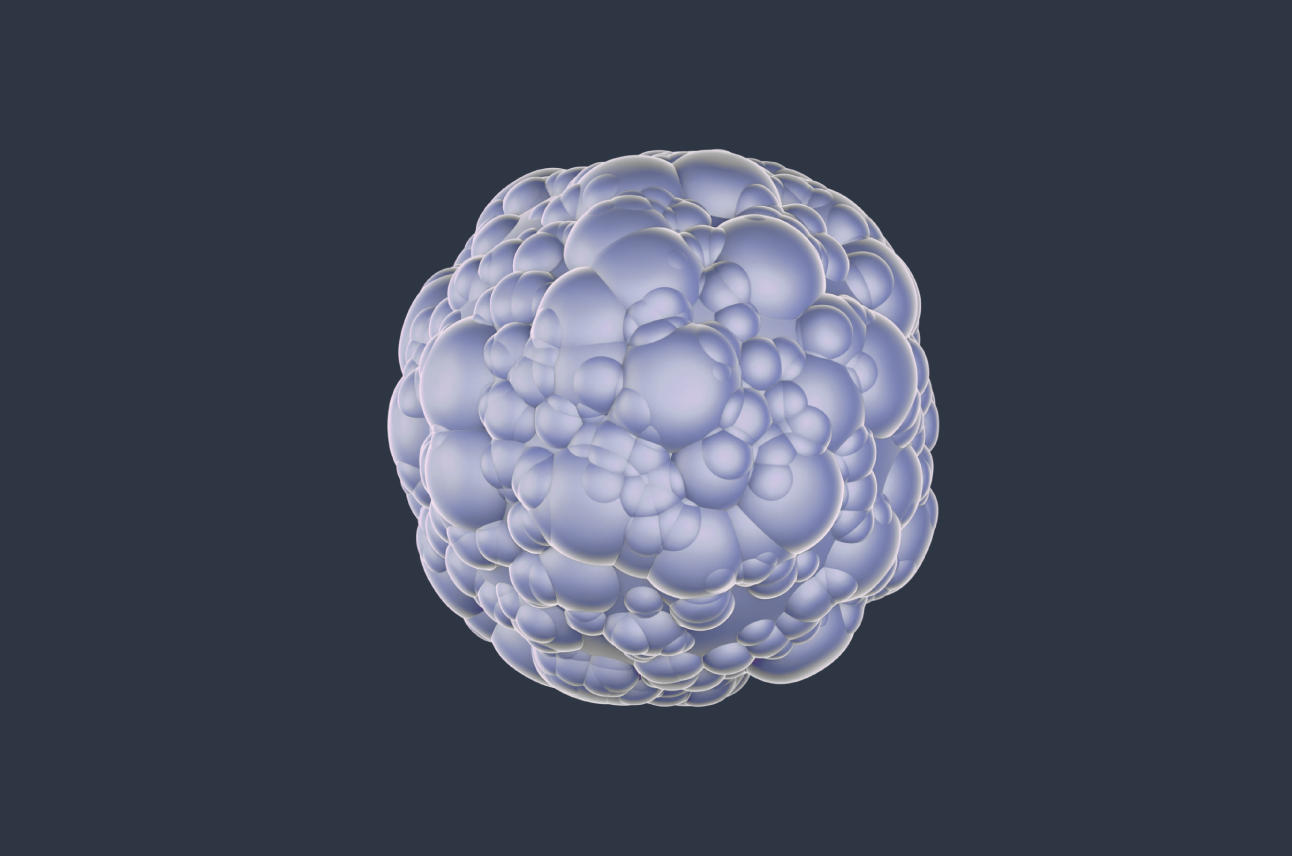
Nanomotor proteins convert energy into mechanical work that controls cell movement, division, trafficking, signaling, and mitochondrial function. In cancer, these motors drive invasion and growth, and regulate stress pathways. Our platform is designed to identify molecules that control these behaviors at their mechanical source, an untapped target class in oncology. Our lead program is focused on non-muscle myosin II (NMII; Radnai et al, Cell, 2025), a molecular nanomotor that tumor cells rely on so heavily that they express more of it (“oncogene”). The result of this reliance? Tumor cells cannot survive NMII inhibition.
Team
PhD
PhD
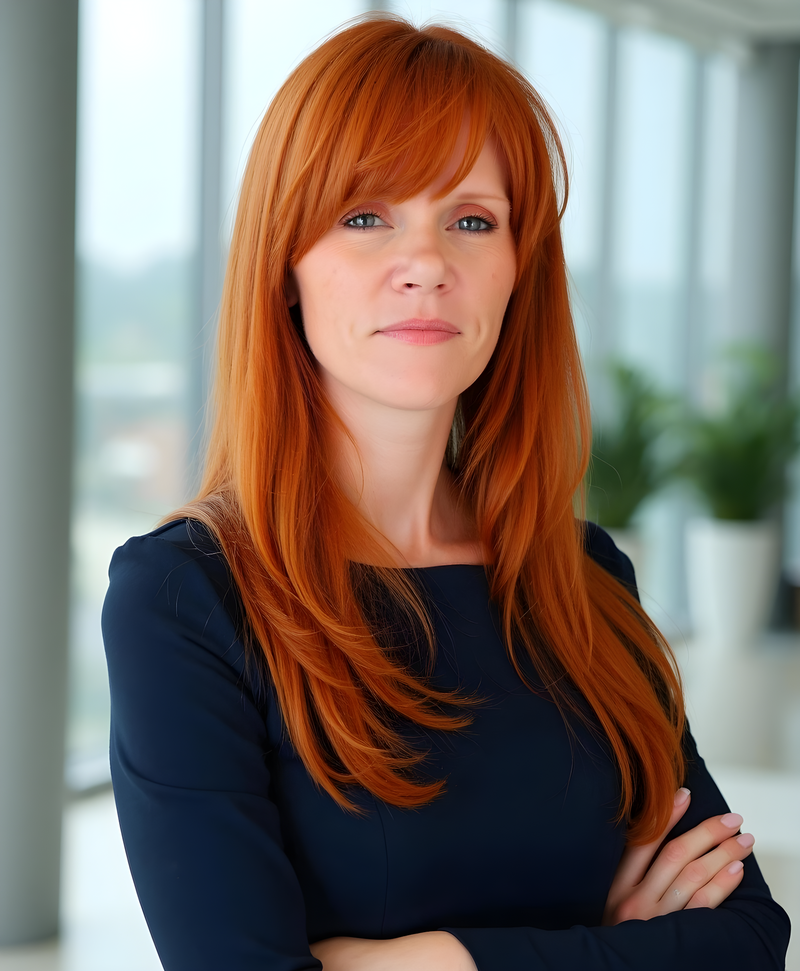
A native of the Bay Area, Dr. Miller is a neuroscientist focused on drug discovery and development with expertise in cytoskeletal dynamics. In 2009 she joined Scripps Research and established a research program focused on developing neurotherapeutics.
Dr. Miller's laboratory made the initial discovery of nonmuscle myosin II's (NMII) therapeutic potential and was recognized for these efforts with a Presidential Early Career Award for Scientists and Engineers (PECASE), presented by President Obama in 2016.
To advance the therapeutic potential of molecular motors like NMII, Dr. Miller launched a collaborative medication development program with Drs. Griffin and Kamenecka. In addition to Dr. Miller's scientific expertise, she has training in venture capital and was named a Kauffman Finalist in Venture Investment.
MD, PhD, MBA, LLM
MD, PhD, MBA, LLM
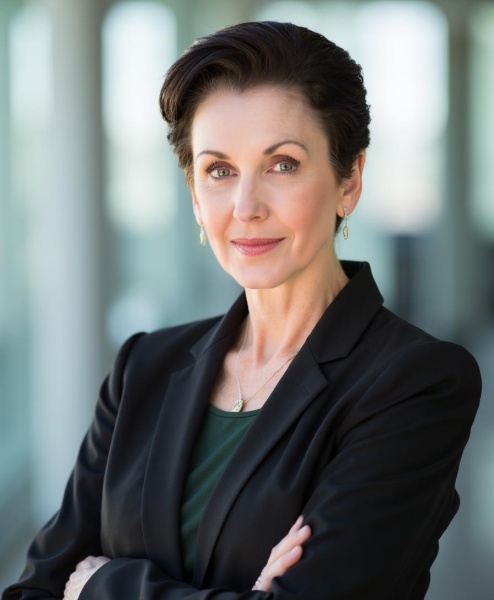
Dr. Smith is a BioPharma Executive, Board Director and Clinical/Scientific Advisor. Her breadth of experience covers 100+ clinical trials and 20+ regulatory approvals in multiple jurisdictions including FDA (USA), EMA (Europe), TGA (Australia), ANVISA (Brazil), and PMDA (Japan).
Dr. Smith has held various clinical and business roles over the past 20 years including President, CEO, Global Head R&D, and Chief Medical Officer (CMO).
Dr. Smith currently serves on the Board of Sangamo Tx (SGMO), Skye Bioscience (SKYE) and Context (CNTX), and has been closely involved in the completion of over $15B in corporate M&A activities.
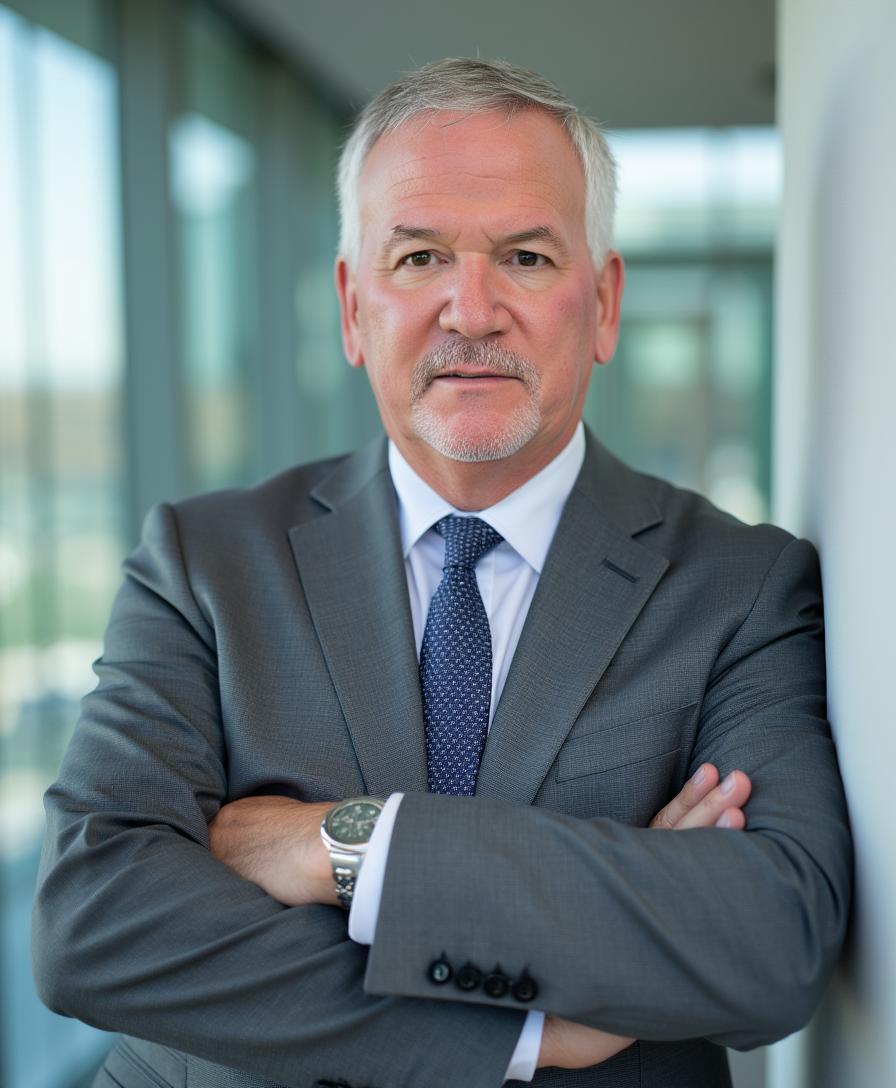
PhD
PhD
Trained in biophysical chemistry, has spent the last 31 years performing drug discovery and development in academia and the biotechnology and pharmaceutical industry. During his tenure at Merck, as Senior Director of Chemistry, his research team made significant contributions towards the discovery of MK-0431, a DPP4 inhibitor now in clinical use, and towards clinical development of DMP-777, an elastase inhibitor for treatment of cystic fibrosis.
From 2002 to 2004, he was CSO of ExSAR, a biotech company focused on the development of chemical chaperones for protein misfolding disorders.
In 2004, he joined Scripps Research, where his research is focused on protein structure and function, particularly on mutational- and ligand-mediated alterations in protein structural plasticity, as well as quantitative SAR to facilitate lead optimization of molecules targeting therapeutic proteins.
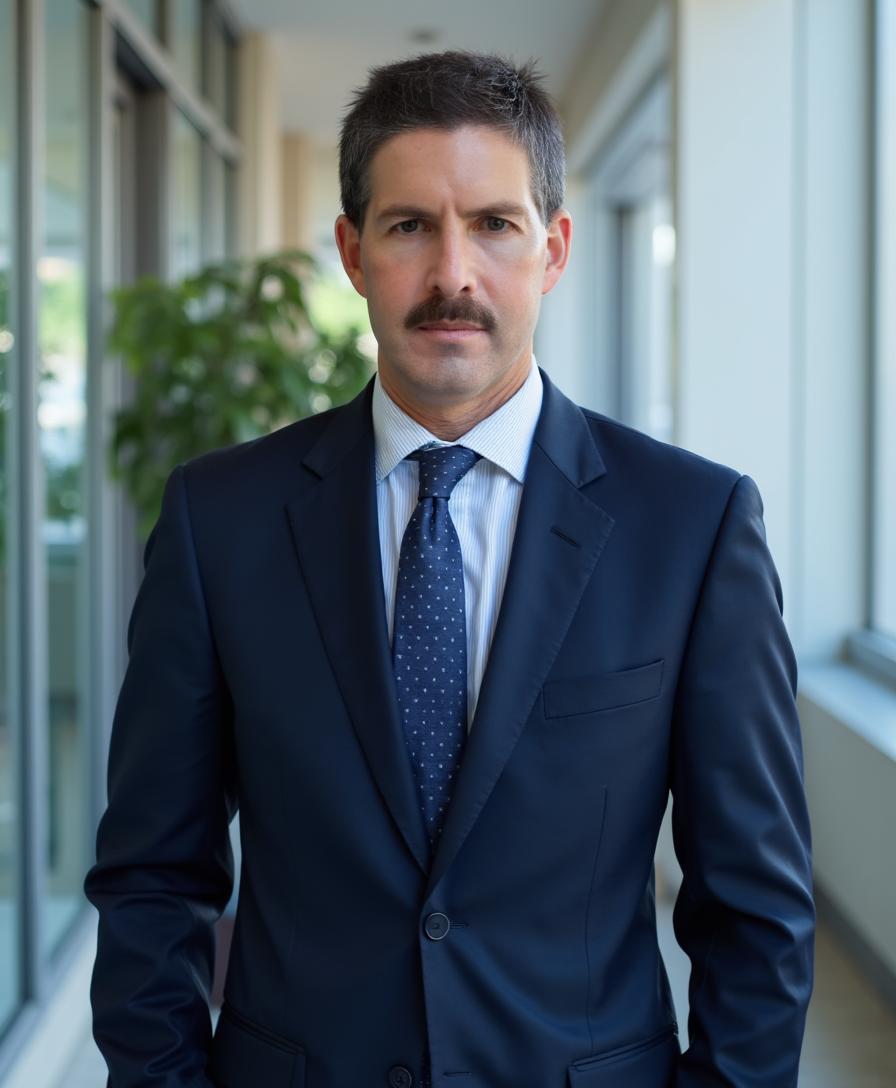
PhD
PhD
Trained in synthetic organic chemistry, has spent the last 22 years performing drug discovery and development in academia and the pharmaceutical industry. At Sloan-Kettering, Dr. Kamenecka contributed to the development of novel epothilone analogs for the treatment of breast cancer, which was brought to the market in 2007.
At Merck, his group delivered proof-of-concept molecules for novel targets and clinical candidates for established programs focused on a variety of indications.
Upon rejoining academia in 2004 at Scripps Research, his group has continued to work on a diverse set of targets from kinases, GPCR's, ion channels, to nuclear receptors for a variety of indications, including SUD and cancer.
In 2017, he co-founded Eolas Therapeutics with Dr. Paul Kenny to advance an SUD program which was licensed to pharma and is now in Ph1 clinical trials.
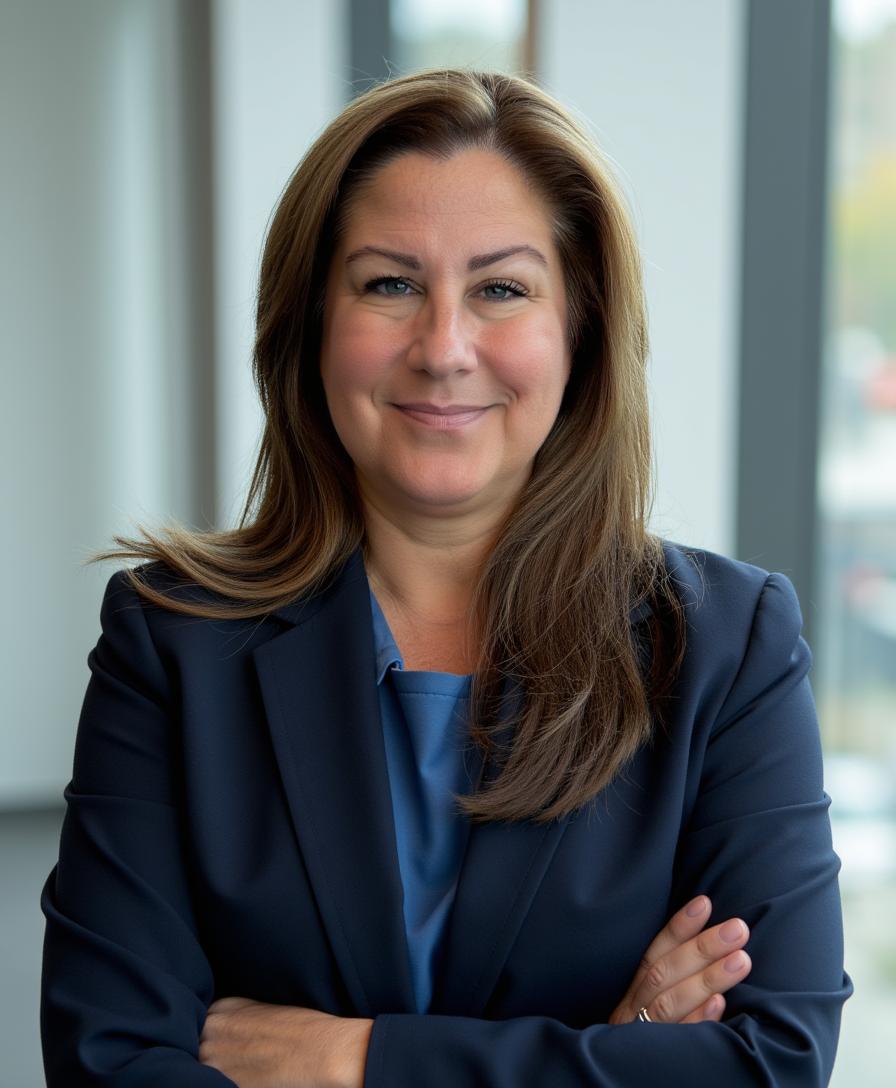
Kim is a pharmaceutical executive and clinical operations strategist with 30+ years of experience leading global R&D programs across sponsors, CROs, and vendor organizations.
She has built and led high-performing project management teams, scaled decentralized clinical trial (DCT) capabilities across 60+ countries, and supported numerous NDA submissions across therapeutic areas including CNS, oncology, and rare diseases.
She is the Founder and CEO of BioClinical Solutions and serves as Head of Clinical Operations at Myosin Therapeutics. Previously, she helped build Oncology and CNS business units at Paragon Biomedical and led decentralized trial operations at Marken, integrating direct-to-patient logistics and home healthcare to improve trial access.
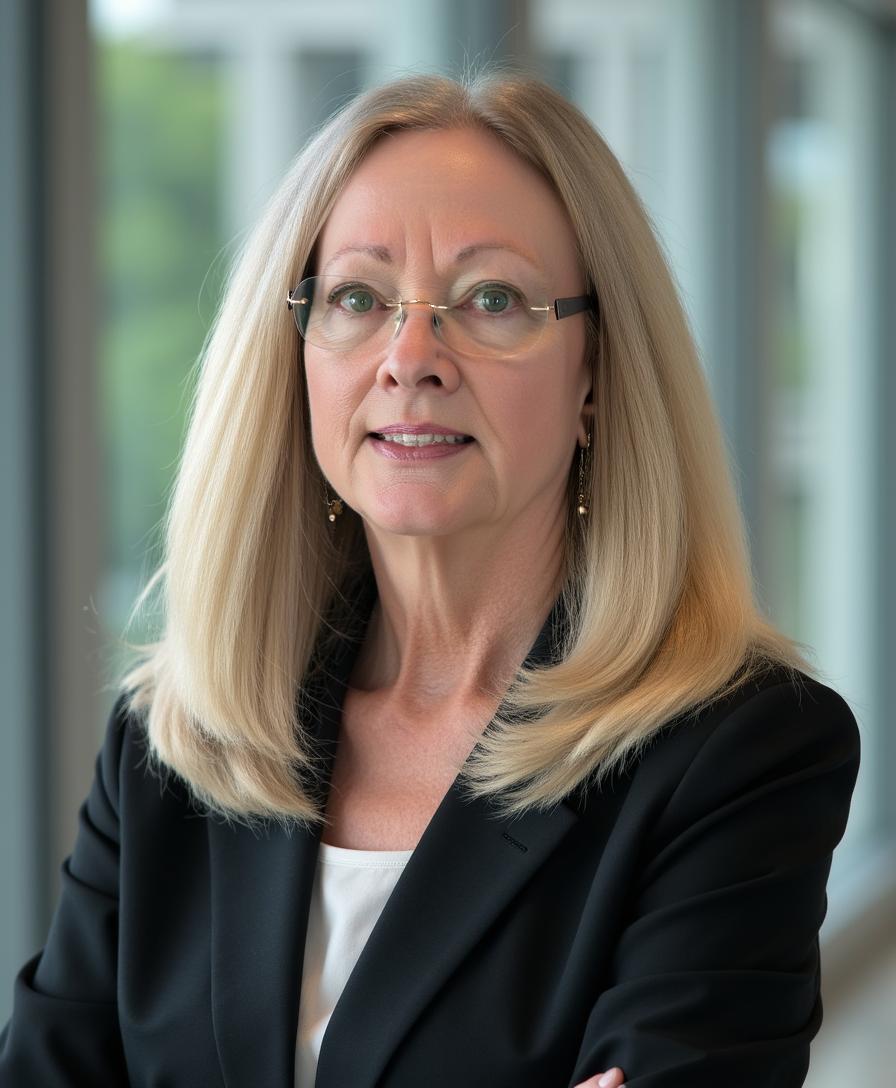
Valerie is a regulatory affairs leader with 40+ years of experience across GLP toxicology, pharmaceutical R&D, and global regulatory strategy.
She began her career in GLP toxicology labs and on NIH/NCI contract projects, then transitioned into pharma R&D supporting IND and NDA submissions before moving into Regulatory Affairs as her primary focus.
Most recently, she served as Vice President, Regulatory Affairs at TherapeuticsMD and now serves as an independent consultant and Head of Regulatory for Myosin Therapeutics.
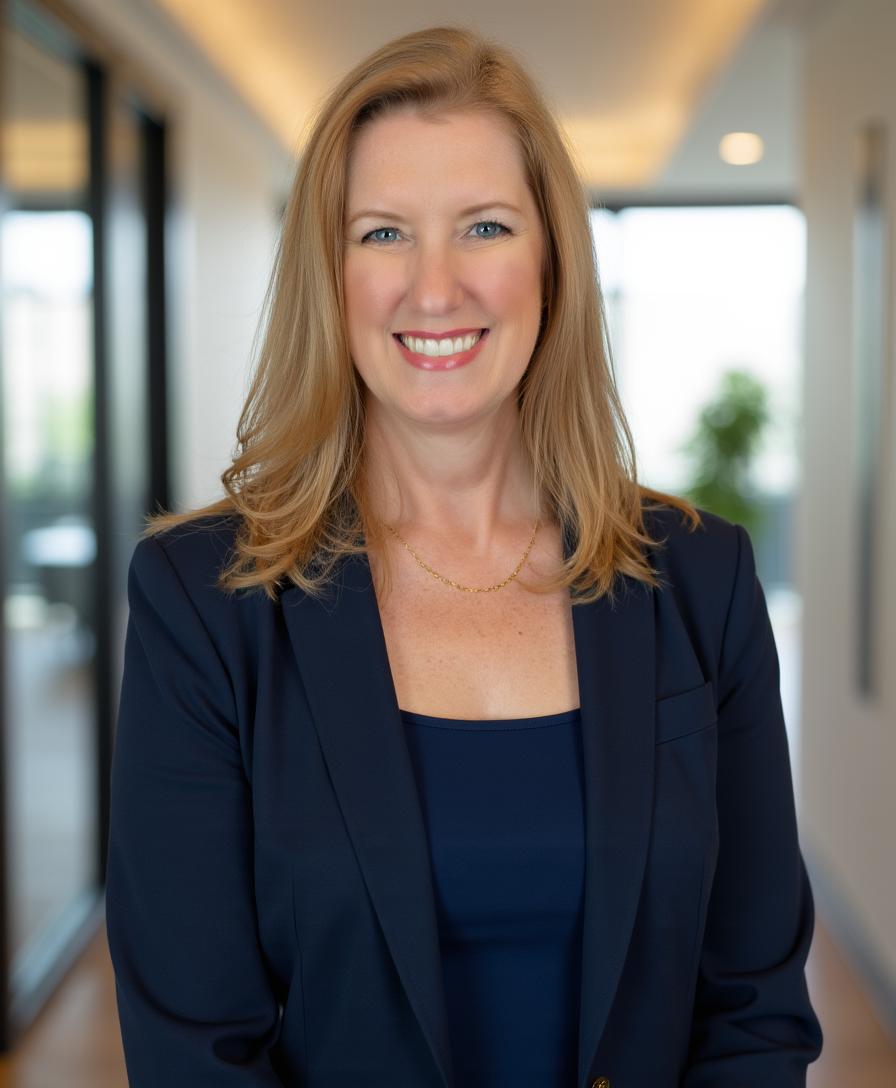
CPA, CFP, MBA
CPA, CFP, MBA
Ms. Krcelich is an experienced finance and accounting executive with more than 25 years of experience supporting emerging and growth-stage companies, with expertise spanning financial management, accounting, human resources, strategic planning, and investor transactions.
She began her career with Deloitte and subsequently joined high-growth technology company IQE, where she was part of the management team that helped scale the organization from 13 to 175 employees, complete a merger, and execute a successful public offering on NASDAQ Europe.
Ms. Krcelich has since held financial leadership and advisory roles across technology, manufacturing, and life sciences companies, including serving as Controller of Azevan Pharmaceuticals. She is also the founder of Business Support Solutions and has extensive experience advising small and emerging companies from formation and growth through succession planning and investor exits.
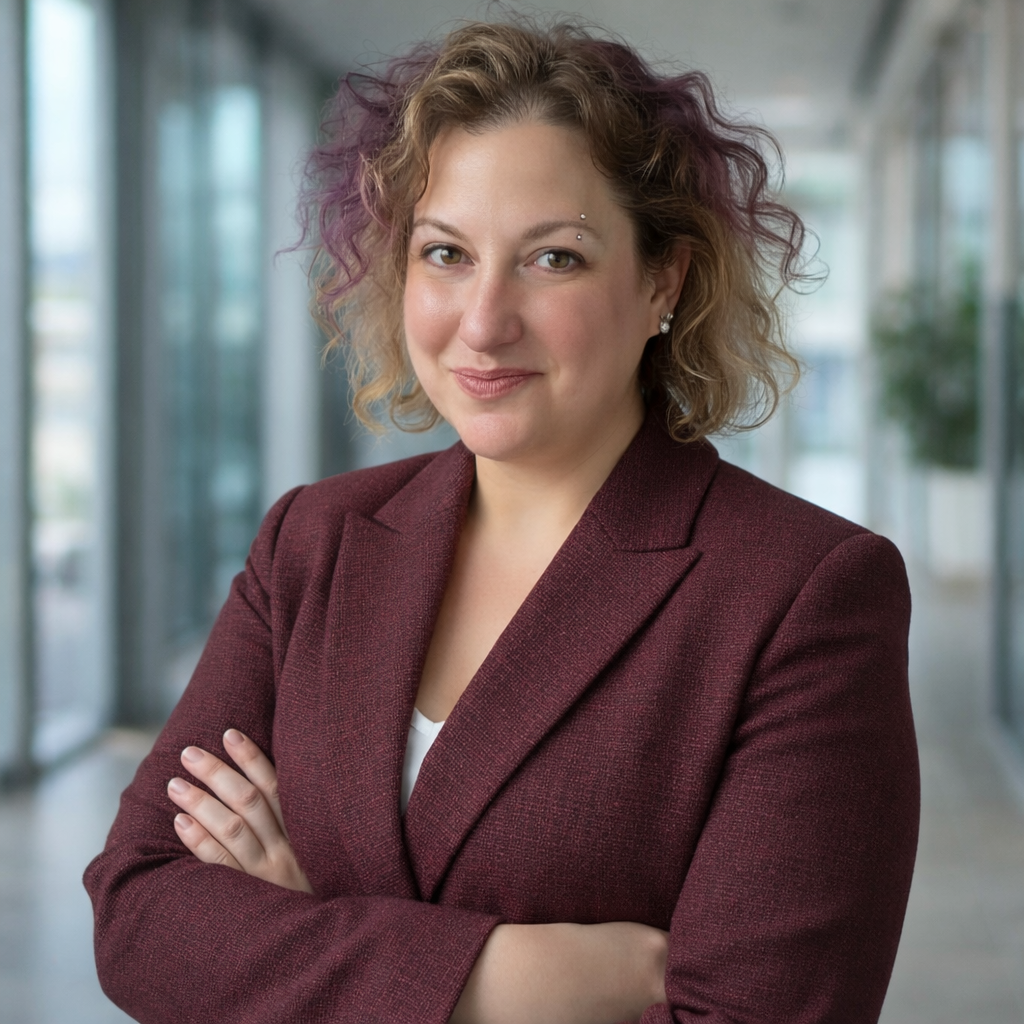
MBA
MBA
Debra has over 20 years of experience in operations and program management.
She brings extensive expertise in financial forecasting, external collaborations, grant management, and scientific asset development. She serves as Myosin’s Director of Operations.
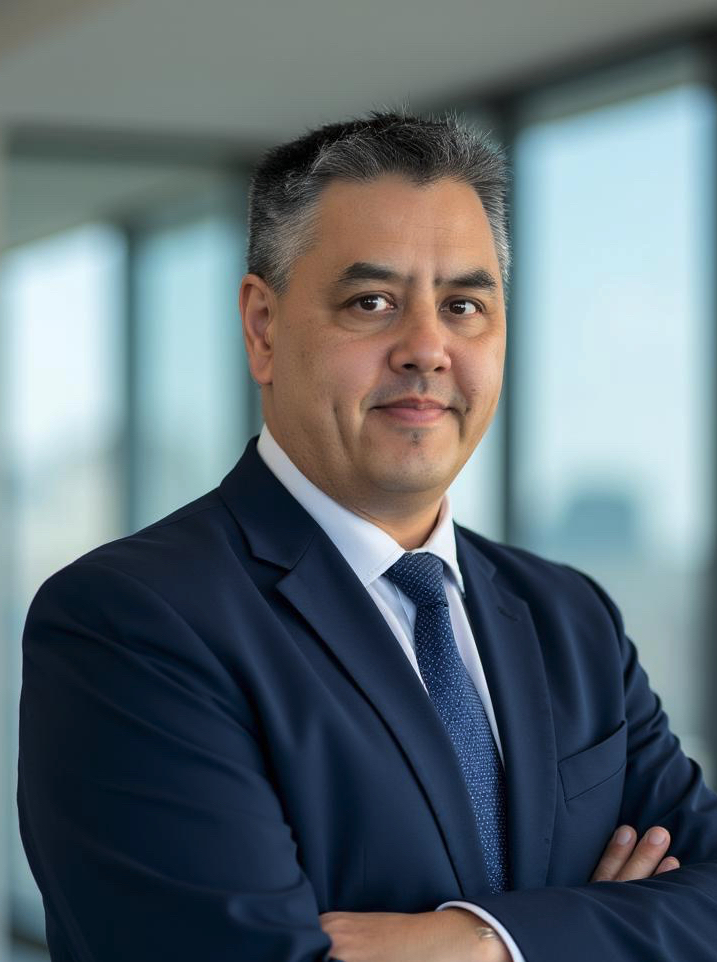
Bruce Pascal is a computational biology and software engineering leader with more than two decades of experience building informatics platforms for genomics, proteomics, and drug discovery.
He was a founding member and Director of IT at Biosift, where he co-invented Scintilla, an early genomic data integration system. He later helped found Ananomouse Corporation and played a central role in developing Bloodhound, a kinship analysis platform later incorporated into CODIS II and used by the U.S. Department of Justice.
As Bioinformatics Director at Scripps Florida, he led core analysis and software engineering efforts and developed tools including HDX Workbench. In 2017, he founded Omics Informatics LLC, providing scientific software development services to research organizations worldwide.
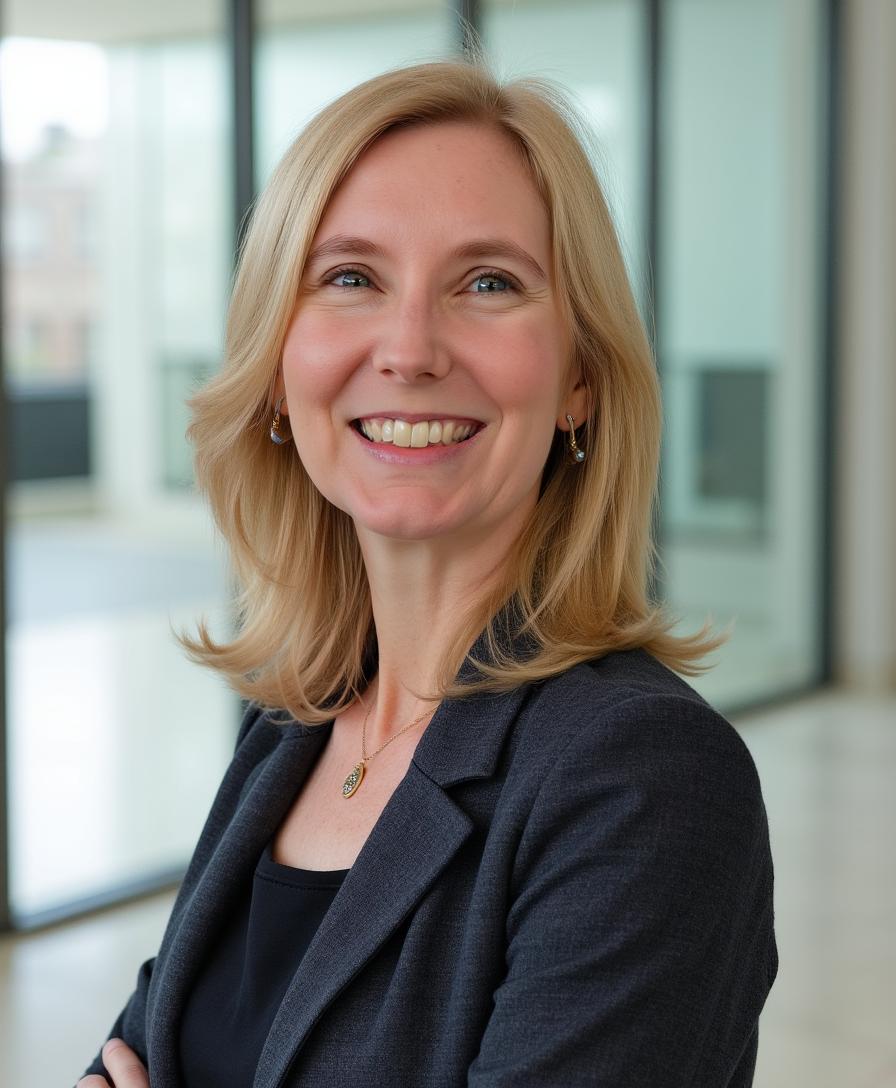
PhD
PhD
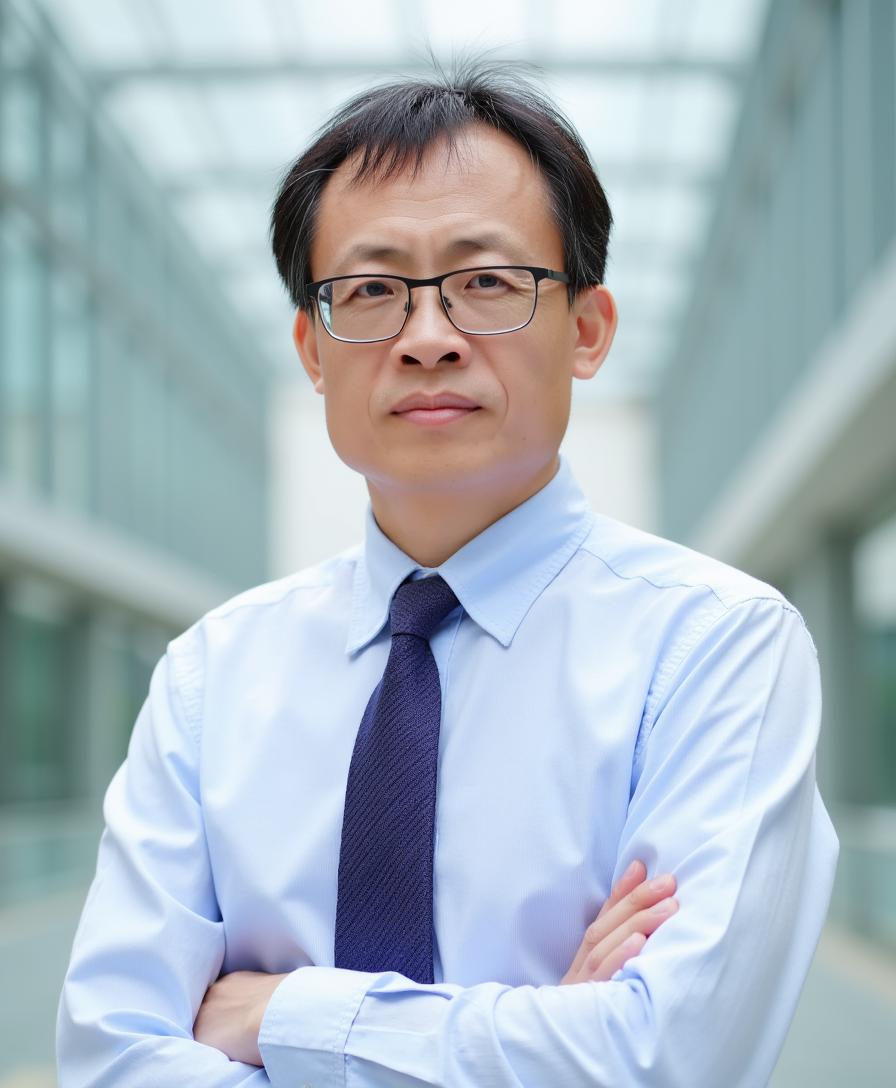
Erica is the Senior Scientific Director at Myosin Therapeutics, where she supports the company's preclinical and translational programs, overseeing in vivo efficacy and safety pharmacology studies, contributing to medical writing and regulatory document preparation, and coordinating with clinical experts and CRO partners.
She earned her PhD at the University of Virginia with training in learning, memory, and anxiety. She joined Dr. Courtney Miller's lab at UF Scripps in 2010, expanding her expertise in neuropsychiatric disease biology and behavioral pharmacology—including foundational work demonstrating that methamphetamine-associated memories can be disrupted through actin dynamics and nonmuscle myosin II inhibition.
At Myosin, she has helped advance MT-110 and supports MT-125 development through IND-enabling preparation, medical writing, and cross-functional program coordination.
PhD
PhD
Minghai is a drug discovery scientist with expertise spanning neurodegeneration, immunology, and oncology. He spent more than 13 years at The Scripps Research Institute in Florida, progressing from postdoctoral fellow to staff scientist, where he investigated neurotoxicity driven by misfolded proteins and advanced therapeutic strategies for neurodegenerative disease.
He later served as Director of Biology at Vova Ida Therapeutics, leading preclinical discovery programs, and is a co-inventor on multiple patents.
Since 2022, Minghai has advanced MT-125 at Myosin Therapeutics, leading mechanism-of-action work, combination studies, formulation activities, and CRO/consultant collaborations to support development in orphan cancers.
Medical & Scientific Advisors
Received his MD degree from Northwestern University and his PhD from the University of Chicago, and pursued post-graduate training in Neurology and Neuro-Oncology at Duke University.
He has served on the faculty at the University of Alabama at Birmingham, where he was director of the Brain Tumor Research and Treatment Center; Columbia University, where he was Chief of the Division of Neuro Oncology; at the Cleveland Clinic, where he was Director of the Brain Tumor Research Center of Excellence; and most recently at the Mayo Clinic Florida, where he is Co-Director of the Neuro Oncology Program.
He has over 30 years of experience as an NIH-funded investigator in the biophysics of molecular motors, including kinesins and myosins, and in their relevance to glioblastoma.
Spent most of his scientific career at the NIH. He was a Laboratory Chief there, the equivalent of a department chairman in a medical school. For 3 years he was Scientific Director of the intramural research program of the National Institute of Mental Health.
He had a joint appointment in the National Human Genome Research Institute, support from the NCI and directed projects for the J. Craig Venter Institute.
Currently, he is the Senior VP for Drug Development at Azevan Pharmaceuticals and the CMO at Adaptive Phage Therapeutics. He serves on the SABs of a number of additional companies and advises Myosin Therapeutics.
Attended Harvard College and the University of Rochester Medical School. He received post-graduate training in internal medicine at Strong Memorial Hospital (Rochester, NY) and medical oncology at Johns Hopkins (Baltimore, MD). He joined the faculty at Johns Hopkins in 1981 and is currently Professor of Oncology, Medicine & Neurosurgery and Co-Director of the Brain Cancer Program at the Sidney Kimmel Comprehensive Cancer Center at Johns Hopkins.
He has been Principal Investigator and Director of the Central Operations Office of the NCI funded phase I/II NABTT and ABTC brain tumor consortia since 1994 and has also served as President of the Society for Neuro-Oncology, Chairman of ECOG's Brain Tumor Working Group, and Chairman of the NCCN Committees to develop patient care algorithms for brain tumors and cancer pain.
Is a Professor in the Neuroscience Department at Scripps Research in Jupiter, Florida. Dr. Rumbaugh's research is focused on the contribution of actin-myosin dynamics to biology.
His lab also has extensive experience designing novel assays for advancing small molecule probes that alter the biology of therapeutic targets.
Dr. Rumbaugh received his PhD in Biophysics from Georgetown and performed postdoctoral training in the Department of Neuroscience at Johns Hopkins.
Is the director of the Myology Institute at University of Florida (UF), where he is also a professor of Pharmacology & Therapeutics. Dr. Sweeney's expertise spans cardiovascular disease, skeletal muscle disorders and molecular motors of the myosin superfamily.
Prior to joining the faculty at UF, Dr. Sweeney was the William Maul Measey Professor and Chairman of Physiology at the University of Pennsylvania, where he is now an emeritus professor of Physiology. He was elected as a fellow of the American Heart Association in 2001, a fellow of the Biophysical Society in 2017, and has been the director of a Paul Wellstone Muscular Dystrophy Cooperative Center since 2005.
Dr. Sweeney received a bachelor's degree in Biochemistry from the Massachusetts Institute of Technology, a master's in Physiology from Harvard University and a Ph.D. in Physiology and Biophysics from Harvard University.